Iterator Design Pattern
Access elements sequentially without knowing the underlying structure
Search across 208 posts, 23 explainers, and 78 topics
Access elements sequentially without knowing the underlying structure
When working with multi-module Scala projects, there are scenarios where you need to exclude specific...
Reduce chaotic dependencies by having objects communicate through a central hub
Decouple senders from receivers by giving multiple objects a chance to handle requests
Build tree structures where clients don't distinguish between leaves and branches

Build consistent object families without specifying concrete classes
Use inheritance to vary parts of an algorithm
Replace conditional logic with polymorphic state objects
Queue, log, and undo operations by encapsulating them as objects

Add a layer of control without changing the original object

Hide complexity behind a simple, unified API

Connect components that weren't designed to connect

Create objects with many optional parameters without telescoping constructors
Define a family of algorithms and make them interchangeable

Decouple object creation from the code that uses objects
Control object creation and share state across your application
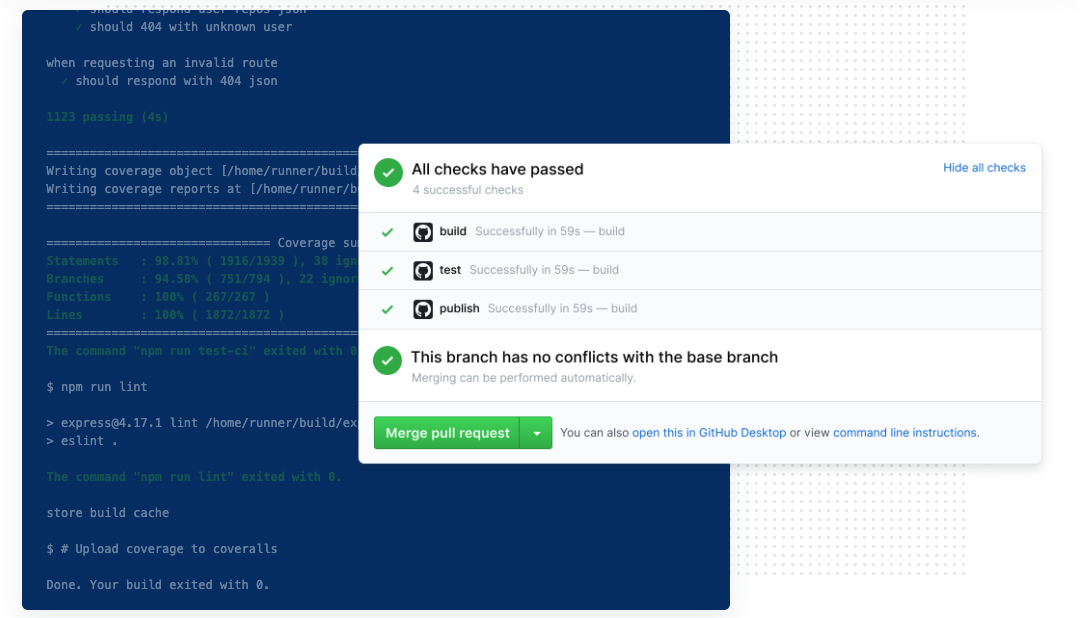
CI/CD is a development practice that delivers software to the end user with speed and...
I work in an agile team which follows extreme programming practices like pairing programming. But...